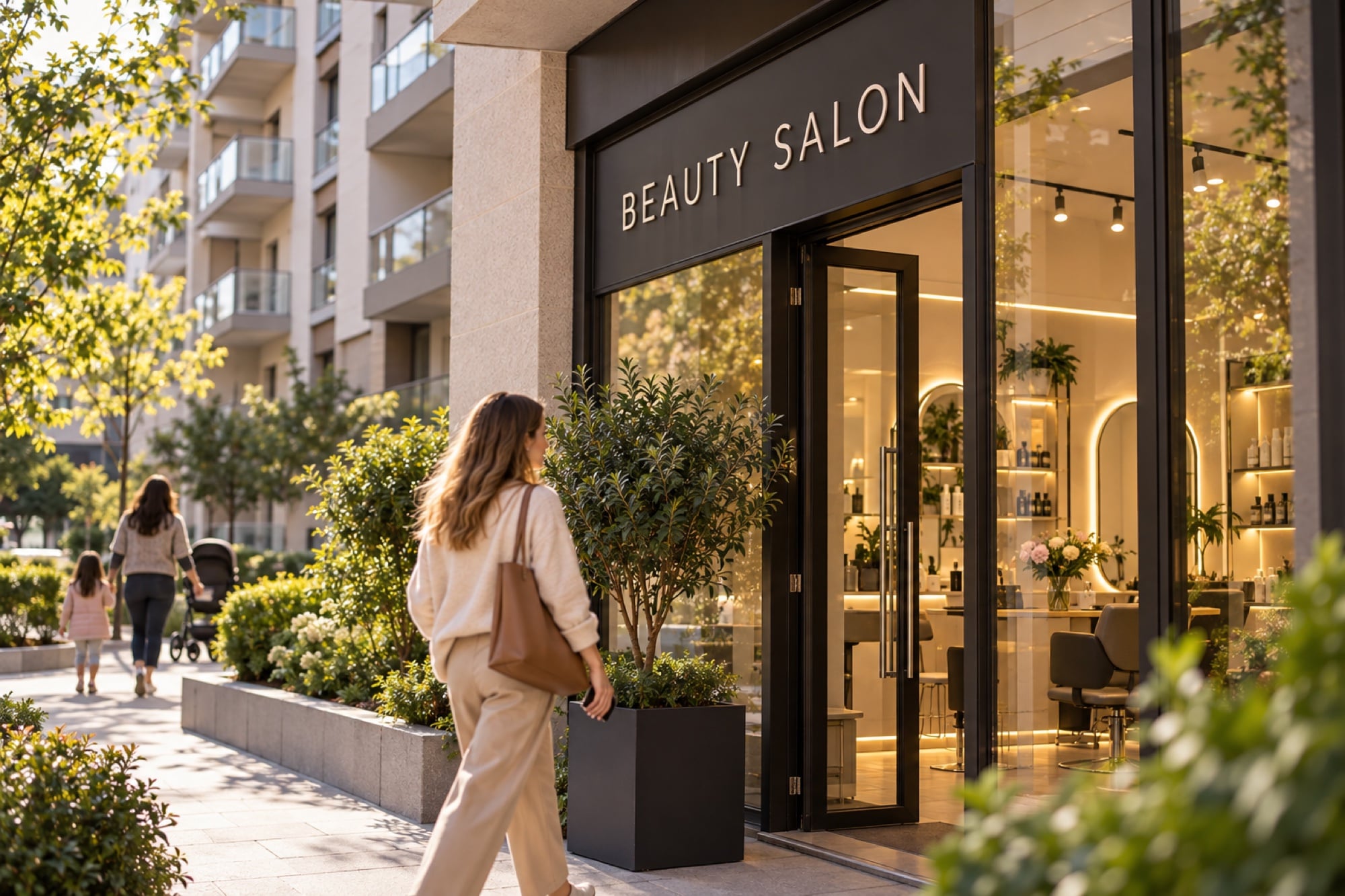
The people living a short walk from each of your locations are the cheapest clients to win, and the ones most salon marketing overlooks. A salon inside a residential or mixed-use block has a catchment most high-street salons lack. But what each channel actually reaches differs. Five of the seven below (free Google, Nextdoor and Yelp pages, door-drop mail, and partnerships next door) reach the neighbours within walking distance, which rarely means your own building in particular. Meta ads are the widest of all: a radius you draw around the address, never tighter than a kilometre, so they reach the surrounding district rather than the people a short walk away. The last channel, a resident app that your building’s management company runs, reaches the building itself through a notice residents already trust, but only where the manager uses it and agrees to add your salon. Availability depends on where you are. Nextdoor runs in about 11 countries, Google and Meta are global while Yelp usage is concentrated in a few markets, and a resident app reaches you only where your building’s management company uses one.
In short
- Start with the two free owned surfaces, Google and Nextdoor: both cost nothing to claim and put you in local search and neighbour recommendations before you spend anything. Add a Yelp page as a second review surface in markets where locals use it.
- Meta ads reach a radius around you, no tighter than a kilometre: that is the surrounding district, not your own building, which makes them the weakest building-level fit of the seven.
- Door-drop mail posts a leaflet to almost every home on the postcode sectors around you: no mailing list to buy, and the leaflet lands on whole sectors of nearby streets.
- A resident app reaches the building itself: it is the one channel that lands with the residents of your own block while every other channel spreads across the wider neighbourhood. Unitify is one such app.
- The second visit is where any of this pays off: a first visit only turns into revenue when the neighbour rebooks, on a booking system you own.
Which local channels reach your building, and which reach the blocks around it?
Seven channels reach a salon’s neighbours: free owned listings on Google, Nextdoor and Yelp; paid reach through Meta ads and door-drop mail; the resident channel of your own building through a management company’s app; and partnerships with the businesses next door. The table lists all seven, each with its reach and its price. Five of them cover the blocks a resident could walk from; the resident app works at the level of one building, where the manager uses it. Meta ads sit apart: they reach the widest area of all, a radius no tighter than a kilometre. A channel is included only where it reaches the streets around a salon instead of a whole city or region, with Meta the one boundary case, since even its tightest radius reaches well beyond a single building. The figures below come from each tool’s own page.
| Channel | Reaches | Best for | Cost / access |
|---|---|---|---|
| Google Business Profile | People searching Google and Maps | Every salon, the first move | Free page |
| Nextdoor | Verified local neighbours | Salons that earn word-of-mouth | Free page, paid ads optional |
| Unitify | Residents of one building, where your building manager uses it | A salon in a building with a resident app | €0 free (one post a month), up to €3 per apartment a month, the manager pays |
| Meta local ads | A wide radius, far beyond your building | Salons with before/after content | Free page, owner sets ad spend |
| Yelp | People checking reviews before booking | Markets where locals use Yelp | Free page, paid ads optional |
| Door-drop mail | Almost every home on chosen postcode sectors | Guaranteed coverage of nearby streets | Priced per thousand by your postal operator |
| Local business partnerships | A neighbour’s own customers | Salons next to complementary shops | No media cost |
1. Google Business Profile
Search a street name or “salon near me” and a Google Business Profile is what supplies the map pin, the opening hours and the directions, and a salon claims and runs one for free. You control how the free profile appears on Google Search and Maps, so the people searching for a business like yours can find you. The profile holds reviews, photos, posts to announce hours or contact changes and products, and a service business can add online booking to it. Getting reviews onto it is its own job, and the volume and rating of reviews are among the signals that move a salon up the map three-pack. Salons that manage reviews well turn five-star feedback into the credibility that makes someone tap through from the map.
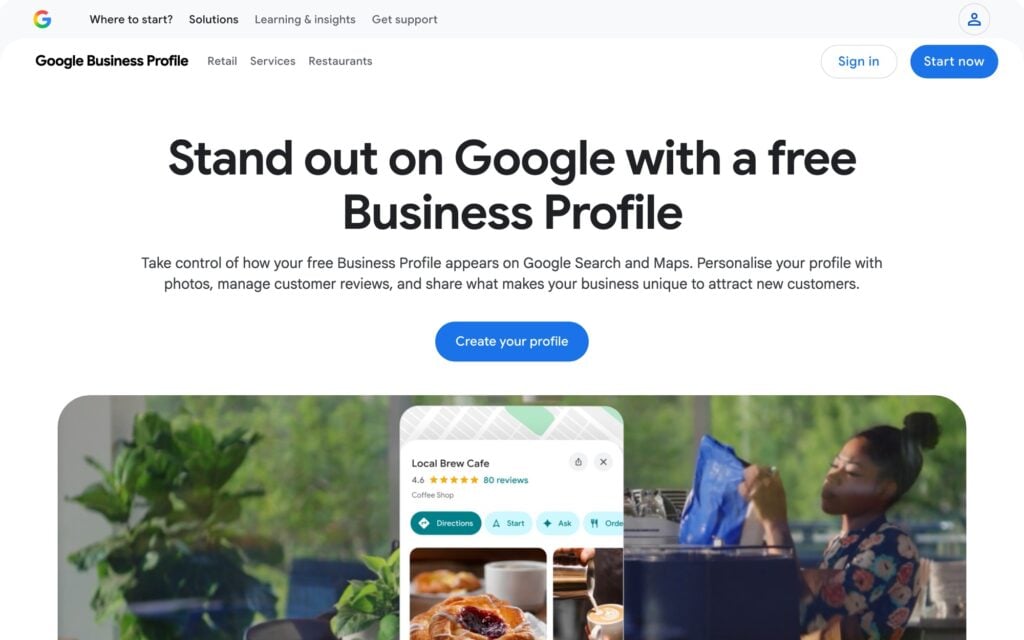
Best for: every salon, as the first thing you set up.
Not for: reaching anyone who is not already searching. It is a listing that surfaces for people looking for a salon, so a neighbour two floors up who isn’t searching won’t see your profile.
Price: free. The profile itself carries no paid tier to appear on the map.
2. Nextdoor
Nextdoor is built around verified neighbours, so a recommendation from a resident one street over does more than a city-wide ad ever will. By Nextdoor’s own count it is home to over 100 million verified neighbours across 340,000+ neighbourhoods, and a free Business Page lets a salon post updates, collect Neighborhood Faves and pick up neighbour-to-neighbour Recommendations. Paid reach runs through its Ads Manager, which targets the platform’s own neighbourhoods. The platform also reports that 79% of neighbours were influenced by a recommendation they saw on it. Because the network rewards genuine endorsements, a salon that already has happy local regulars gets far more from it than a brand-new location with no reviews yet.
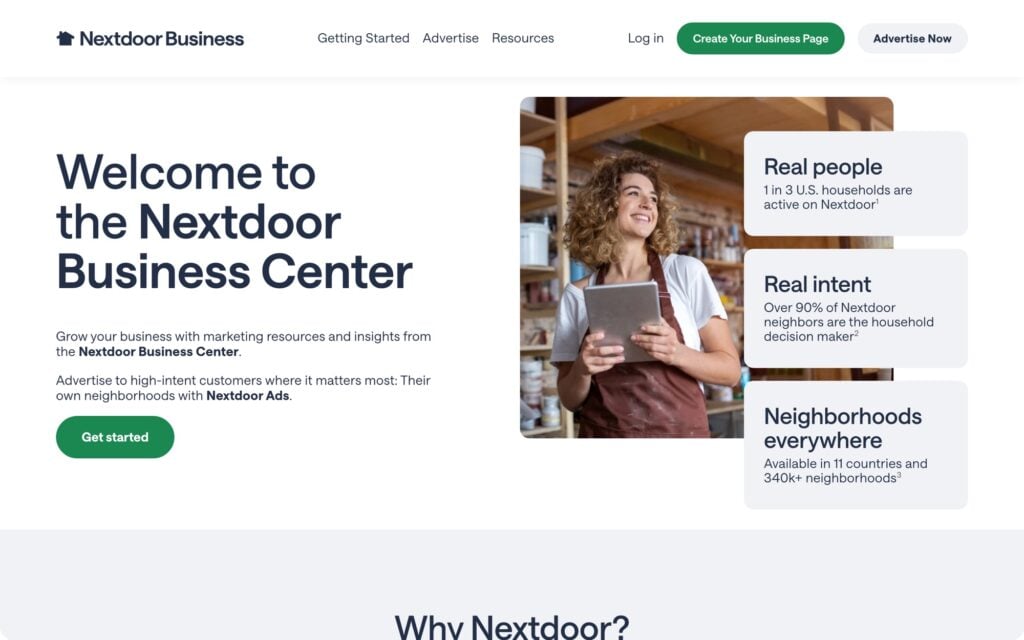
Best for: salons that can earn word-of-mouth from satisfied local clients.
Not for: markets with thin Nextdoor coverage, or a salon with no local reviews yet, which starts slow because the platform leans on real recommendations.
Price: free Business Page; paid ads optional.
3. Unitify
Unitify is a resident app run by a building’s management company, and the salon reaches residents through it only if the manager includes the salon in a building news item. The management company’s notices reach the residents of the building in the resident app and on the building’s own branded website, so a single news item reaches everyone living there. The salon has no page of its own on Unitify: it appears in residents’ feeds only as part of a news item the manager posts, for example when a new business opens in the building.
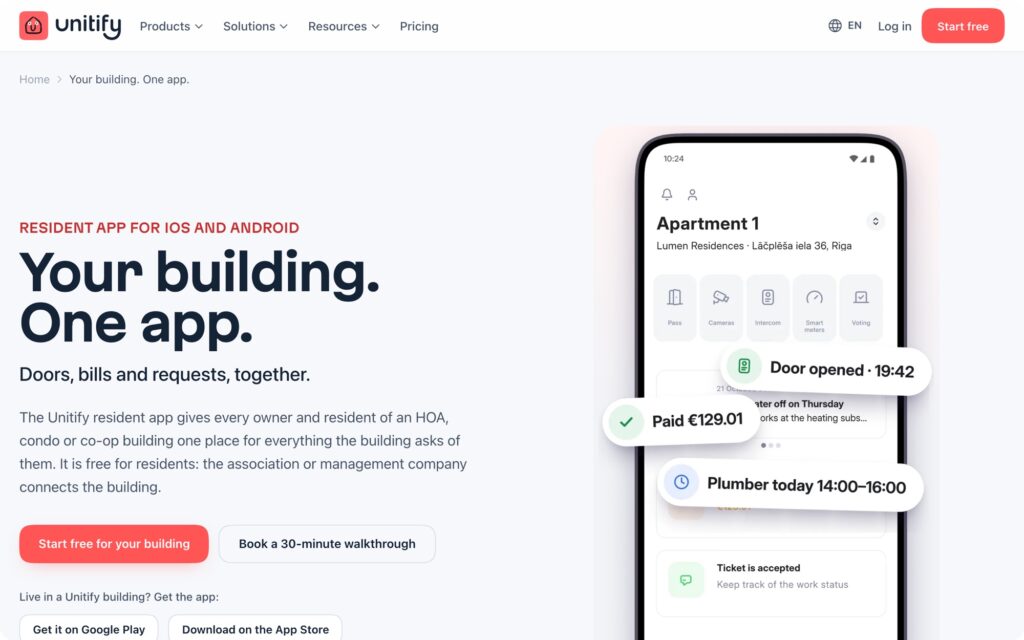
Best for: a salon in a building whose management runs a resident app and whose manager will add a neighbour note.
Not for: a salon that wants to post on its own schedule, since there is no self-serve posting, reach is one building at a time, and on Unitify’s free tier the manager is capped at one post a month.
Price: a per-apartment plan the management company pays rather than the salon, from €0 on the free tier to €3 per apartment a month on the Pro tier, excluding VAT. The salon pays Unitify nothing.
4. Meta local ads: Facebook and Instagram
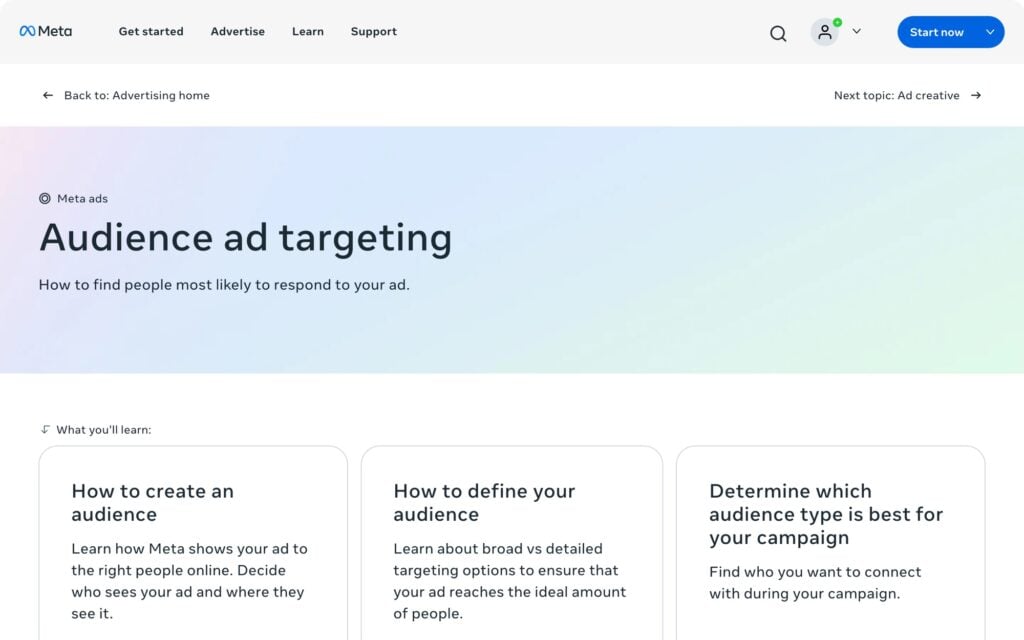
Meta ads let a salon draw a radius around the address and show photos or reels to anyone inside that circle. But the circle only shrinks so far: Meta’s floor is a kilometre. In a dense residential area that floor matters. A one-kilometre radius over a packed block can cover a whole district of tens of thousands of people. Your own building is a tiny slice of that, so the budget pays for broad reach you cannot narrow down. The ad reaches those residents only when they happen to be scrolling their feed. Of the seven channels, Meta is the weakest fit for reaching the residents of your building. Business accounts and pages on Facebook and Instagram are free. The ads you run from those pages target a location by a radius the advertiser sets with a pin or a slider around a chosen address. The radius option disappears if you target by postcode, region or country, since those already cover a whole area. Salon ads are not a special ad category, so they avoid the wider 17 km radius floor that housing, employment and financial ads carry in Europe. That lets a salon tighten the circle to the one-kilometre floor, but no lower.
Best for: salons that can make short before and after visual content and want residents who are not searching yet.
Not for: owners who will not produce visual content or watch what the ads spend.
Price: free page; the owner sets the ad spend.
5. Yelp
Where locals check Yelp before trying a salon, a page there backs up your reviews in a second place they trust, though it is a poor starting point on its own. A free business page comes with more than twenty tools to update your details, respond to reviews and messages and add photos, and Request-a-Quote connects service businesses with job requests. Yelp reports an average of 2.4 million people visiting the site daily to search for businesses. Because the page overlaps heavily with a Google Business Profile, it works best alongside Google: the same reviews, hours and photos kept current in a second place locals trust.
Best for: salons in markets where Yelp has traffic and clients leave reviews there.
Not for: markets with little Yelp usage, where the effort duplicates the Google profile with no extra reach.
Price: free page; paid ads optional.
6. Door-drop mail
When a salon wants a leaflet in every letterbox on the streets next to it, door-drop mail does it with no mailing list to buy or build. Postal operators across Europe run an unaddressed service of this kind, such as Royal Mail Door to Door in the UK and Deutsche Post Postwurfsendung in Germany, and the leaflet lands at almost every household on the postcode sectors you choose. You pick the postcode sectors where the residents you want actually live, and many operators let you narrow them by the demographic profile of the area. It goes to whole sectors: you cover the blocks nearby, not one building on its own. It takes more effort to measure than a digital campaign, so it suits a salon with a clear, print-worthy offer; a salon still testing a vague message gets less from it.
Best for: salons that want guaranteed coverage of the nearby streets and have an offer worth printing.
Not for: tiny budgets where the per-piece cost plus printing does not pay back.
Price: priced per thousand items by your postal operator or a door-drop provider, so ask yours for a quote on your postcode sectors.
7. Local business partnerships
Local business partnerships carry no media cost at all, because they tap into the foot traffic that already exists next door: the neighbouring shop’s own customers. A salon in a mixed-use building cross-promotes with the businesses around it, say a coffee shop or a gym, by swapping referral offers, leaving cards on each other’s counters, or co-sponsoring a building event. The reach is whoever already walks into the partner, people who live and work in the same few streets. Trading referral offers with a complementary neighbour tends to convert better than a cold ad, because the recommendation comes from a business the client already trusts.
Best for: salons next to complementary businesses with the same resident clientele.
Not for: isolated locations with no complementary neighbours, where there is no willing partner to trade with.
Price: no media cost.
What does reaching the residents nearby cost a month?
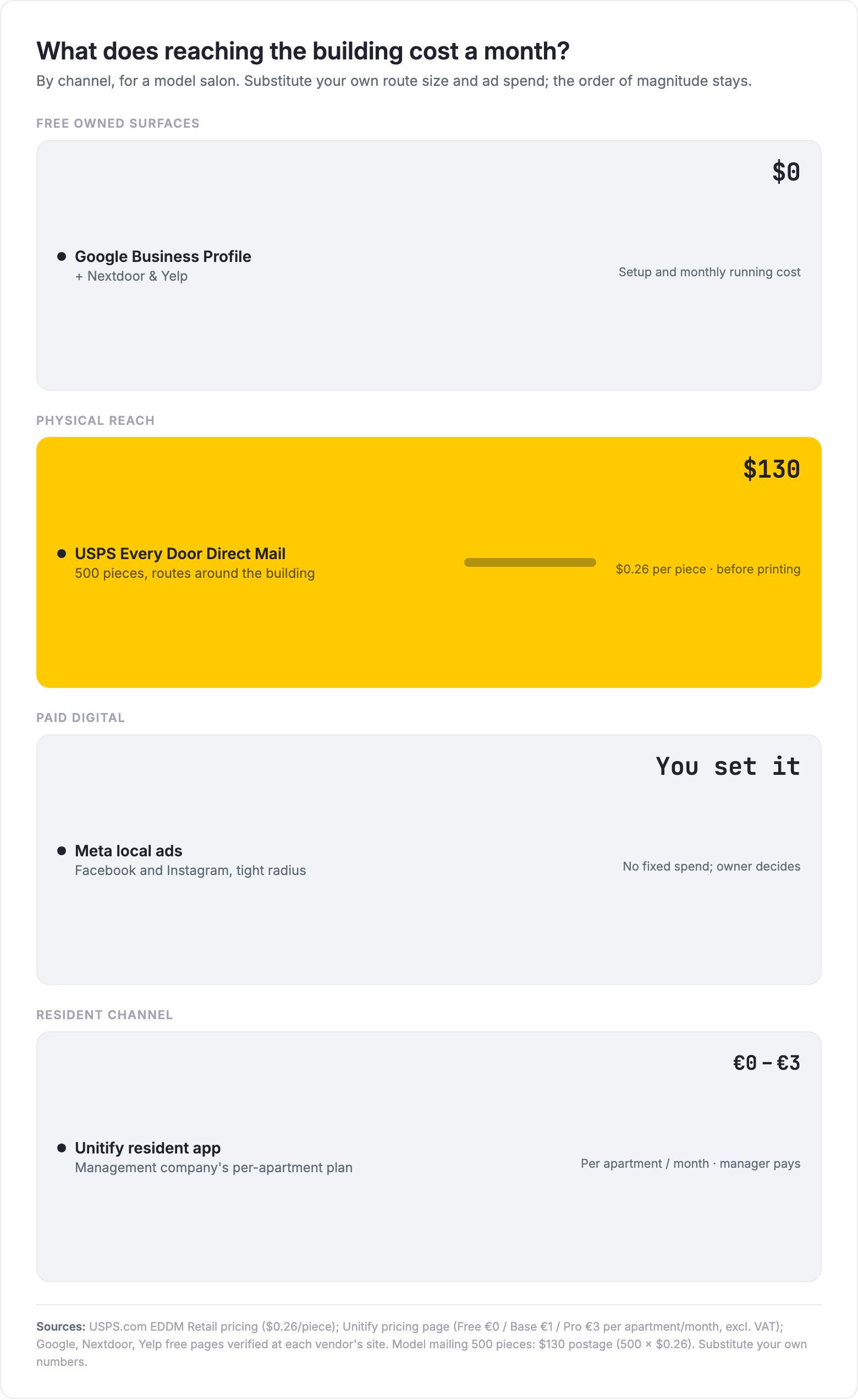
The cost starts at zero and rises only as you move beyond the free listings. Claiming and filling in the owned pages on Google and Nextdoor, plus a Yelp page, costs €0 to set up and run, so any salon starts there. Physical reach carries a per-thousand rate your postal operator quotes for the postcode sectors you want, so a door-drop to the streets around the building is worth pricing before you commit, with printing on top. Swap in your own sector size and print cost; the ballpark stays the same. Paid digital is whatever you choose to spend, with Meta ads targeting a radius around the building down to Meta’s floor, and the budget decided by the owner. For an operator running several locations, each building carries its own listings, door-drop and ad spend, so the cost repeats per site. The resident app sits on the management company’s own per-apartment plan, so the salon pays nothing of its own to appear there.
How do you turn a reached resident into a repeat client?
Every channel above buys a first visit, free or paid, but none of them keeps the client: that happens in the salon’s own booking system, where the booking and the client record stay with the salon. One booking link across the Google profile, the social pages and the building note feeds a single client base, so the neighbour who came once books again in the same place. For an operator with several locations in different buildings, that same base is shared across sites, so a client found through one building’s note is recognised at any branch. Reminders, a saved client record and a rebooking link are what keep clients returning, and that return visit is what turns a reached neighbour into revenue.
FAQ
Is Google Business Profile free for a salon?
Yes. The profile itself is free to create and list, and it shows your salon on Google Search and Maps with hours, reviews, photos and directions. There is no paid tier to appear in local results; the cost is the time to fill it in and keep it current.
What radius can a salon target on Facebook ads?
You set the radius yourself, drawn on the map around a chosen address, down to a floor of a kilometre. In a dense block that floor still spreads past your building across a whole district, so the ads reach far more people than your own neighbours. The radius applies to an address, a pin or a city; choosing a postcode, a region or a country instead covers the whole area and removes it. Salon ads are not a special ad category, so you avoid the far wider radius floor those categories carry, but you still cannot go below that floor.
Can a salon post offers to residents of its building?
Not directly. The building’s management company controls what residents see, and a salon appears only if the manager includes it in a notice or news item through a resident app such as Unitify. The salon has no self-serve posting, so the practical step is to ask the manager to feature a neighbour offer. On Unitify’s free tier the manager is capped at one post a month, so a salon competes with the building’s other notices for that slot.
Which local marketing channel is cheapest for a salon?
The free Google and Nextdoor listings cost nothing to claim, with Yelp a free extra. Paid reach starts with a door-drop mailing priced per thousand by your postal operator, or Meta ad spend you set yourself. The resident app runs on a per-apartment plan the building’s manager covers, so the salon pays nothing for it.
Should a salon be on Yelp as well as Google?
Yes, where locals check Yelp before booking. It is a free second review surface, with tools to manage your details, reviews and photos, and it complements a Google Business Profile rather than replacing it. In markets where few people use Yelp, keeping the Google profile current matters more.