Почему vertical SaaS — софт, на котором работает сервисный бизнес, — становится слоем дистрибуции финансовых сервисов.
1. Откуда придёт следующая волна роста финтеха
Последние пятнадцать лет рост финтеха строился на трёх опорах: интернет-магазины, отдельные торговые точки и мерчанты, которые подключаются самостоятельно. Этот плейбук создал гигантов. Но он же исчерпывает себя.
Рынок, на который раньше было дёшево войти, становится дорогим для конкуренции. Стоимость привлечения клиента в финансовых сервисах выросла, по оценкам, на 40–60% за 2023–2025 годы, а конкретно в финтехе CAC растёт на 25–35% в год — всё больше компаний борются за одних и тех же мерчантов и одних и тех же потребителей. Растёт стоимость продаж. Растёт стоимость комплаенса. Растёт стоимость онбординга — одна только верификация личности добавляет $20–30 на клиента ещё до того, как он принёс первый доллар выручки.
При этом сами продукты становятся неотличимыми. Почти каждый крупный рынок уже предлагает десятки платёжных решений, несколько цифровых банков и множество сервисов рассрочки и кредитования. Платежи везде проходят за секунды. Антифрод — гигиенический минимум. Мобильные приложения одинаково хороши. Для конечного бизнеса различия между провайдерами всё менее заметны.
Когда продукты сходятся, а стоимость привлечения растёт, конкуренция смещается в другое место — в дистрибуцию.
И здесь появляется новый канал — vertical SaaS.
2. Vertical SaaS становится новым слоем дистрибуции финансовых сервисов
Вертикальные SaaS-платформы — софт, на котором работает стоматологическая клиника, салон красоты, фитнес-студия, — становятся точкой, через которую распределяются финансовые сервисы. Не потому, что у них есть API. API есть у всех.
А потому, что они владеют ежедневным workflow бизнеса.
Пятнадцать лет модель выглядела так: Клиент → Платёжный провайдер. Теперь она выглядит так: Клиент → Vertical SaaS → Финтех.
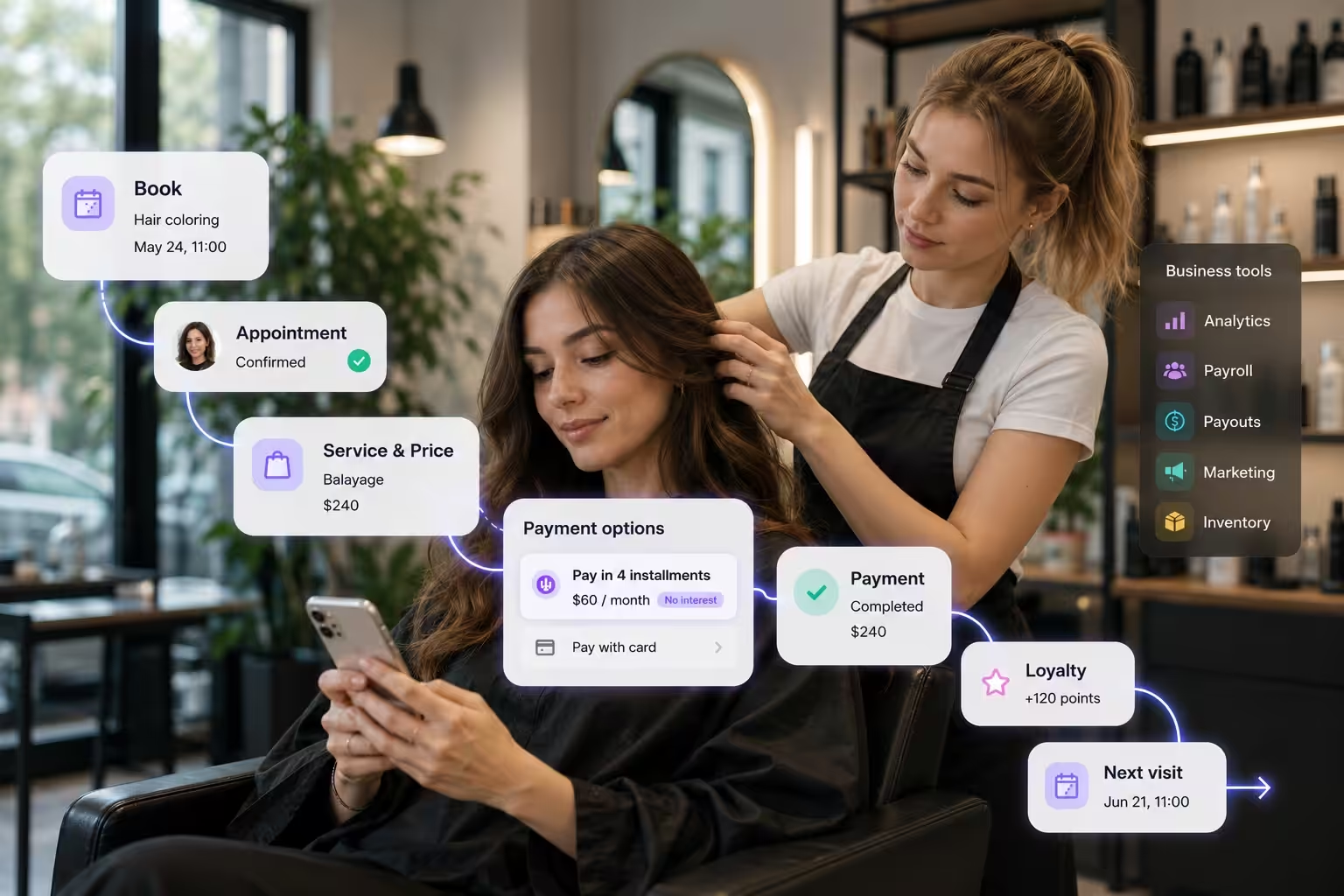
SaaS-платформа — это интерфейс, где транзакция происходит на самом деле: здесь бронируется визит, здесь рассчитывается стоимость, здесь берётся депозит, здесь начисляются бонусы, здесь проводится выплата мастеру. Кто владеет этим workflow — тот владеет моментом платежа и каждым финансовым решением вокруг него.
Цифры подтверждают сдвиг. По прогнозу Bain & Company, объём транзакций embedded finance только в США должен более чем удвоиться — до $7 трлн к 2026 году, а выручка софтверных платформ и обеспечивающей инфраструктуры — вырасти с $21 млрд до $51 млрд за тот же период. Самый быстрорастущий путь к мерчанту — уже не прямые продажи. Это софт, которым мерчант и так пользуется каждый день.
3. Почему сервисный бизнес — один из самых интересных сегментов
Внутри vertical SaaS особого внимания финтех-компаний заслуживает один сегмент: бизнесы, работающие по записи.
Стоматология. Салон красоты. Барбершоп. Фитнес-студия. SPA.
У всех — один и тот же экономический профиль:
- Регулярные клиенты. Клиент не покупает стрижку один раз — он возвращается каждые четыре недели.
- Повторные платежи. Визиты повторяются с предсказуемой периодичностью — еженедельно, ежемесячно, ежеквартально.
- Высокий LTV. Лояльный клиент салона стоит тысячи долларов на горизонте нескольких лет.
- Постоянный денежный поток. Выручка — не сезонные пики, а стабильный поток средних транзакций.
Для финтех-компании это идеальный субстрат для embedded finance: не одна анонимная транзакция, а долгие наблюдаемые отношения бизнеса с клиентами — где каждый визит, каждый платёж и каждая повторная запись зафиксированы в платформе.
4. BNPL: где embedded finance в сервисах становится по-настоящему интересным
Если есть финансовый продукт, который сильнее всего меняется при переносе в сервисные вертикали, — это Buy Now, Pay Later.
На многих рынках главный барьер для покупки услуги — её цена. Особенно это заметно в красоте, эстетической медицине, стоматологии и wellness. Клиент готов. Он доверяет специалисту. Он понимает ценность результата. Единственное препятствие — необходимость оплатить всю сумму сразу.
BNPL убирает именно этот барьер. Вместо $500 сегодня клиент видит $40 в месяц.
Конверсия растёт. Средний чек растёт. Доход партнёра растёт. Эффект хорошо задокументирован в ритейле: по оценке RBC Capital Markets, опция BNPL повышает конверсию на 20–30% и увеличивает средний чек на 30–50%; данные мерчантов Klarna показывают рост среднего чека на 45% при разбивке платежа на четыре части. Healthcare-first BNPL-игроки доказывают спрос на сервисной стороне: Sunbit принимают более 60 000 провайдеров в стоматологии, медицинской эстетике и ветеринарии, Cherry обслуживает более 50 000 практик в пластической хирургии, стоматологии и дерматологии.
Почему BNPL работает в сервисах лучше, чем где-либо ещё
Вот что упускает большинство финтех-стратегий. В e-commerce BNPL-провайдер скорит незнакомца: первый визит, корзина, ноль истории. В бизнесе по записи, работающем на vertical SaaS, «незнакомца» не существует. Платформа уже знает:
- историю визитов клиента — как давно и как часто он ходит;
- точную стоимость услуги, на которую он записывается;
- вероятность повторного визита;
- средний чек за всю историю отношений;
- статистику неявок и отмен.
Клиент уже доверяет бизнесу. Бизнес уже знает клиента. BNPL получает огромный объём дополнительных данных для скоринга — практически бесплатно. Риск-модели на реальной поведенческой истории вместо тонкого кредитного файла — это выше approval rate при меньших потерях. Структурное преимущество, которое не может повторить ни одно standalone BNPL-приложение.
Сценарии, где эффект накапливается
Пройдитесь по вертикалям, где один визит стоит дорого, а отношения длинные, — и логика становится очевидной: косметология и инъекции, стоматология и ортодонтия, эстетическая медицина, пластическая хирургия, премиальные салоны, wellness- и longevity-программы, образование, фитнес-абонементы и пакеты персональных тренировок.
Настоящий прорыв — в том, где появляется предложение рассрочки. Не на стороннем сайте. Не после повторного заполнения длинной анкеты. Внутри самого флоу записи: клиент выбирает процедуру, выбирает дату — и видит возможность оплатить частями как естественное продолжение записи. Для клиента это выглядит частью сервиса. Для бизнеса — рост конверсии. Для финтех-партнёра — объём транзакций, которого раньше просто не существовало.
Именно поэтому сервисные индустрии могут стать одним из крупнейших драйверов роста рынка BNPL в ближайшие годы.
5. Дилемма лидера: что делать, когда свой рынок уже выигран
В жизни каждой успешной финтех-компании наступает момент, когда вопрос роста меняется.
Uzum — уже лидер в Узбекистане. Kaspi — в Казахстане. Mercado Pago — в Латинской Америке. Tabby и Tamara — в GCC. GCash — на Филиппинах. Nubank — в Бразилии.
Все они решили первую задачу — привлекли пользователей. Десятки миллионов. Но у доли рынка есть потолок, и по мере приближения к нему рост через привлечение новых пользователей замедляется — не потому, что продукт стал хуже, а потому, что рынок насыщается и каждый следующий пользователь стоит дороже предыдущего.
В этот момент вопрос звучит уже не «Как найти нового клиента?», а «Как создавать больше ценности для тех, кто уже пользуется нашей платформой?» Как увеличить LTV? Как умножить число финансовых сценариев на пользователя? Как стать инфраструктурой для бизнеса, а не просто способом оплаты?
Большинство успешных финтехов отвечают, превращаясь в экосистемы. Они хотят присутствовать не только в момент оплаты, но и во всех финансовых процессах бизнеса.
И вот в чём подвох: чтобы запускать новые финансовые продукты, технологии недостаточно. Нужен контекст. Финансовый сервис становится по-настоящему ценным, только когда встроен в ежедневные операции бизнеса. Именно этим владеют вертикальные SaaS-платформы. Они знают, как устроена конкретная индустрия. Они понимают её бизнес-процессы. Они сопровождают клиента каждый день.
Для платформы управления салоном запись клиента, расчёт стоимости услуги, предоплата, начисление бонусов, выплата мастеру и повторная запись — части одного workflow. Для финтех-компании каждый из этих шагов — отдельный финансовый сценарий.
Будущее финтеха — не в создании ещё одного финансового продукта. Оно в том, чтобы встроить существующие финансовые продукты в реальные бизнес-процессы конкретных индустрий.
Именно поэтому партнёрство финтеха и vertical SaaS — это не «интеграция по API». Это объединение двух сильных сторон: финтех приносит финансовую экспертизу, vertical SaaS — контекст, данные и ежедневный контакт с бизнесом.
6. Кейс: Altegio × Uzum
Проблема
Uzum — ведущая цифровая экосистема Узбекистана: маркетплейс, банк и BNPL. Потребителя она уже выиграла: миллионы пользователей, доминирующий бренд, полный платёжный стек. Следующий рубеж — офлайн-экономика услуг: десятки тысяч салонов, клиник, барбершопов и фитнес-студий, где большинство транзакций всё ещё проходили наличными, невидимо для любой финансовой платформы. Идти к ним мерчант за мерчантом прямыми продажами — значит попасть ровно в ту ловушку CAC, описанную выше.
Почему Uzum выбрал vertical SaaS как канал
Вместо того чтобы продавать терминалы «от двери к двери», Uzum решил войти через софт, которым сервисный бизнес живёт каждый день, — через календарь записи. Каждый оцифрованный мерчант приносит не одну интеграцию, а поток повторяющихся, запланированных, предоплаченных транзакций — и клиентскую базу, которая записывается снова и снова.
Почему Altegio
Altegio — операционная платформа для бизнесов по записи: 13 000+ бизнесов в 90+ странах. В Узбекистане она дала то, что финтех не построит быстро: установленную базу оцифрованных сервисных мерчантов, отраслевой продукт, на который бизнес уже опирается ежедневно, и нативный интеграционный слой, спроектированный ровно под такие партнёрства.
Архитектура партнёрства
Запуск был устроен как совместный go-to-market, а не листинг в маркетплейсе интеграций:
- Бандл. Эксклюзивные совместные условия для мерчантов: 0% эквайринг по Uzum Visa, 30-дневный grace-период по BNPL и скидка 30% на Altegio.
- Интеграция. Uzum POS, QR-платежи, банкинг и BNPL нативно встроены в платформу Altegio — платёжные опции появляются внутри workflow, которым бизнес уже пользуется.
- Запуск. Совместное офлайн-событие для 300+ предпринимателей (U.Day), кобрендинговый лендинг и performance-маркетинг на локальном рынке.
- Продажи. Выделенная команда продаж Uzum — четыре full-time менеджера, работающие с тёплыми и холодными лидами по совместному питчу.
Что получает каждая сторона
Клиенты — современные способы оплаты (предоплата, QR, рассрочка) внутри привычного опыта записи. Сервисные бизнесы — ниже стоимость эквайринга, меньше неявок благодаря предоплатам и новый канал привлечения через экосистему Uzum. Uzum — новый эквайринговый GMV из вертикали, которую раньше не видел, новых SMB-мерчантов, поверхность для кросс-сейла своих продуктов и повторяющиеся точки контакта, возвращающие пользователей в приложение.
Выводы, которые масштабируются
Модель не специфична для Узбекистана. Та же архитектура — бандл + нативная интеграция + совместный GTM + выделенные продажи — воспроизводима на любом рынке, где финтех-лидер упёрся в потолок насыщения: Казахстан, Индонезия, ОАЭ, Бразилия. Меняются переменные — логика остаётся.
7. Context is the new distribution
Годами индустрия повторяла мантру: distribution is king. Сегодня она требует обновления.
Context is the new distribution.
Финтех уже умеет делать платежи. Умеет кредитовать. Умеет BNPL. Технология больше не является сложной частью. Сложная часть — оказаться в правильном месте в правильный момент: внутри workflow, в ту самую секунду, когда принимается финансовое решение.
Именно этим владеют вертикальные SaaS-платформы.
Следующий этап роста финтеха — переход от конкуренции финансовых продуктов к конкуренции за место в ежедневных бизнес-процессах конкретных индустрий. Vertical SaaS — платформа, которая делает этот рост возможным. Назовём вещи своими именами: это не Embedded Finance. Это Contextual Finance.
Готовы обсудить партнёрство?
Altegio выстраивает партнёрства с финтех-компаниями и банками, которые запускают продукты в сервисных вертикалях Beauty, Wellness, Sport, Health и Auto, — от кобрендинговых бандлов до полного White Label под брендом партнёра с эксклюзивом на рынке.
Полный оффер: developer.alteg.io/en/fintech
Начать разговор: [email protected]
Источники
- RBC Capital Markets, через CNBC — конверсия с BNPL +20–30%, средний чек +30–50%
- Bain & Company, отчёт Embedded Finance — $7 трлн объёма транзакций embedded finance в США к 2026; выручка платформ и инфраструктуры $21 млрд → $51 млрд
- Данные мерчантов Klarna, через Solidgate — +45% к среднему чеку при оплате в четыре части
- Бенчмарки CAC в финтехе: Prospeo, Youyaa — CAC +40–60% (2023–2025), +25–35%/год в финтехе
- Число провайдеров Sunbit / Cherry: блог Cherry — 60 000+ / 50 000+ практик